DocSEAM: Bidirectional Cross-Page Encoding
for Multi-Page Document Understanding
1 S-Lab, Nanyang Technological University 2 Synvo AI
A short introduction to DocSEAM.
A page is not an island.
Its neighbors provide context before the language model begins to reason.
Abstract
Multi-page document vision-language models encode each page independently, creating a feature-level discontinuity at page boundaries: visual tokens are formed without access to content on adjacent pages, and the language model must reason over these page representations formed in isolation.
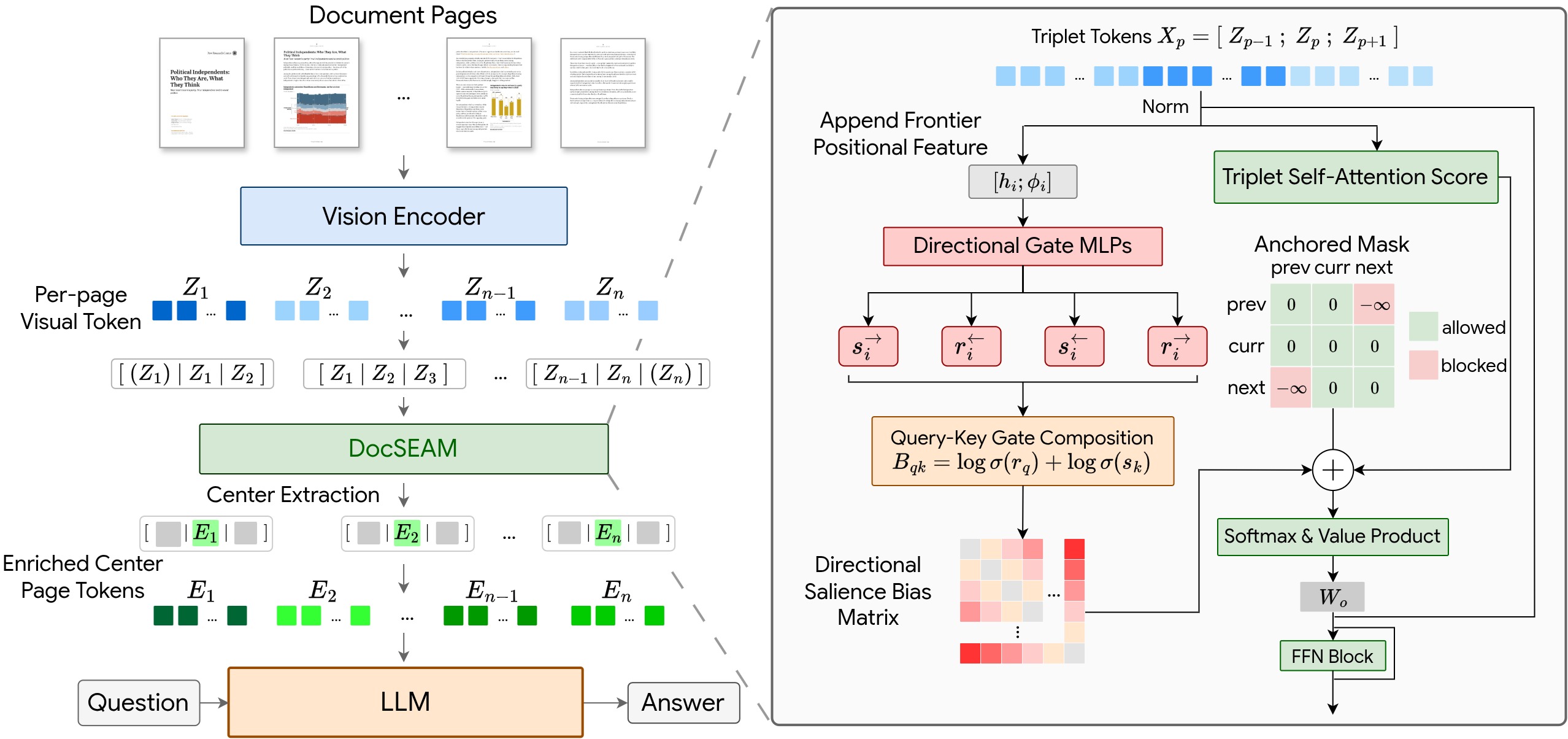
We introduce DocSEAM (Document Selective Enrichment via Anchored Masking), a lightweight module inserted between a pretrained vision encoder and the language model that injects local cross-page context into visual representations. For each page, DocSEAM forms a local triplet with its two neighbors, applies center-anchored masked self-attention with directional salience gates to fuse information from neighbor pages, and returns only the enriched center-page tokens, leaving the visual token count unchanged.
After a supervised cross-page warm-up and multi-page fine-tuning with DocSEAM frozen, our 9B-parameter model achieves state-of-the-art results among open-weight models on five multi-page document VQA benchmarks. Under controlled re-pagination, DocSEAM also reduces sensitivity to boundary placement and improves cross-page span localization.
Page breaks change what the model sees.
A paragraph may continue onto the next page; a table may be split across two pages. Yet a page-wise visual encoder builds each representation without seeing what comes before or after it.
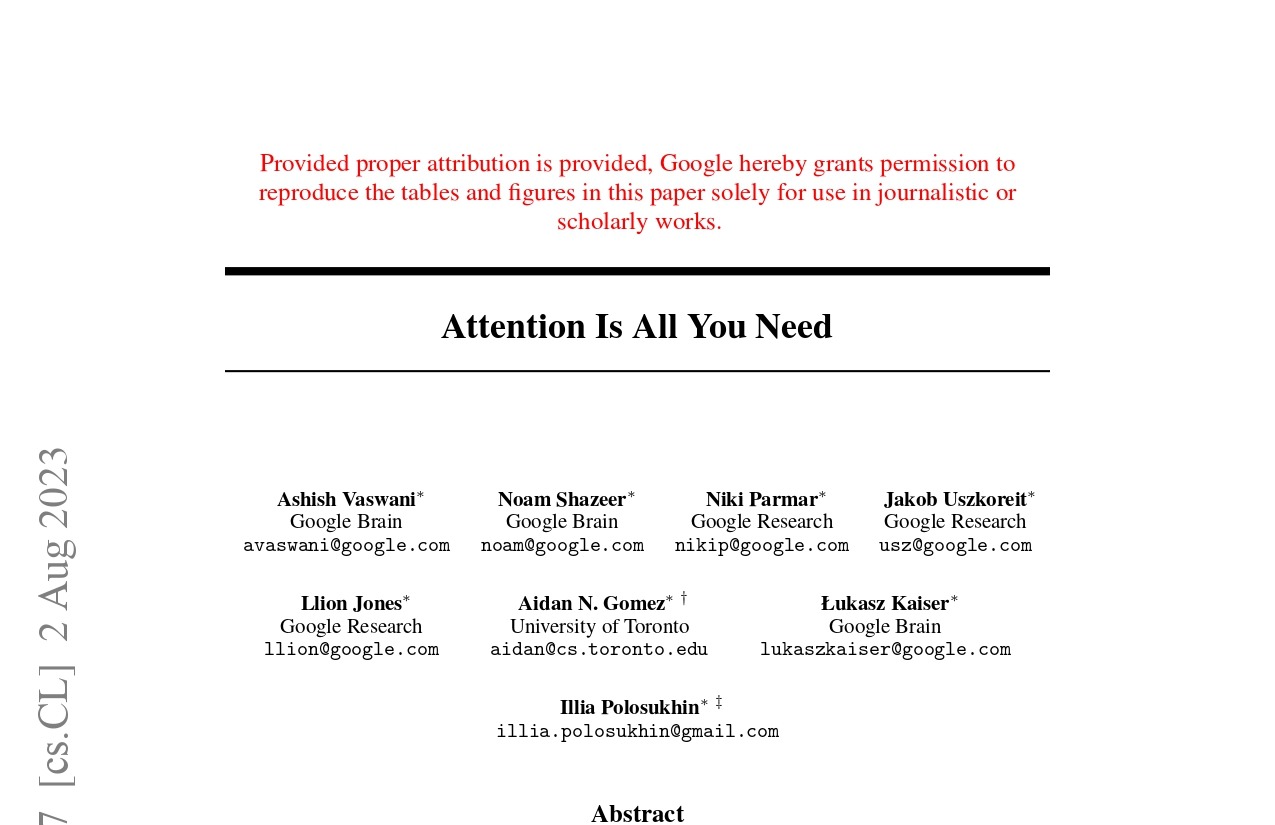
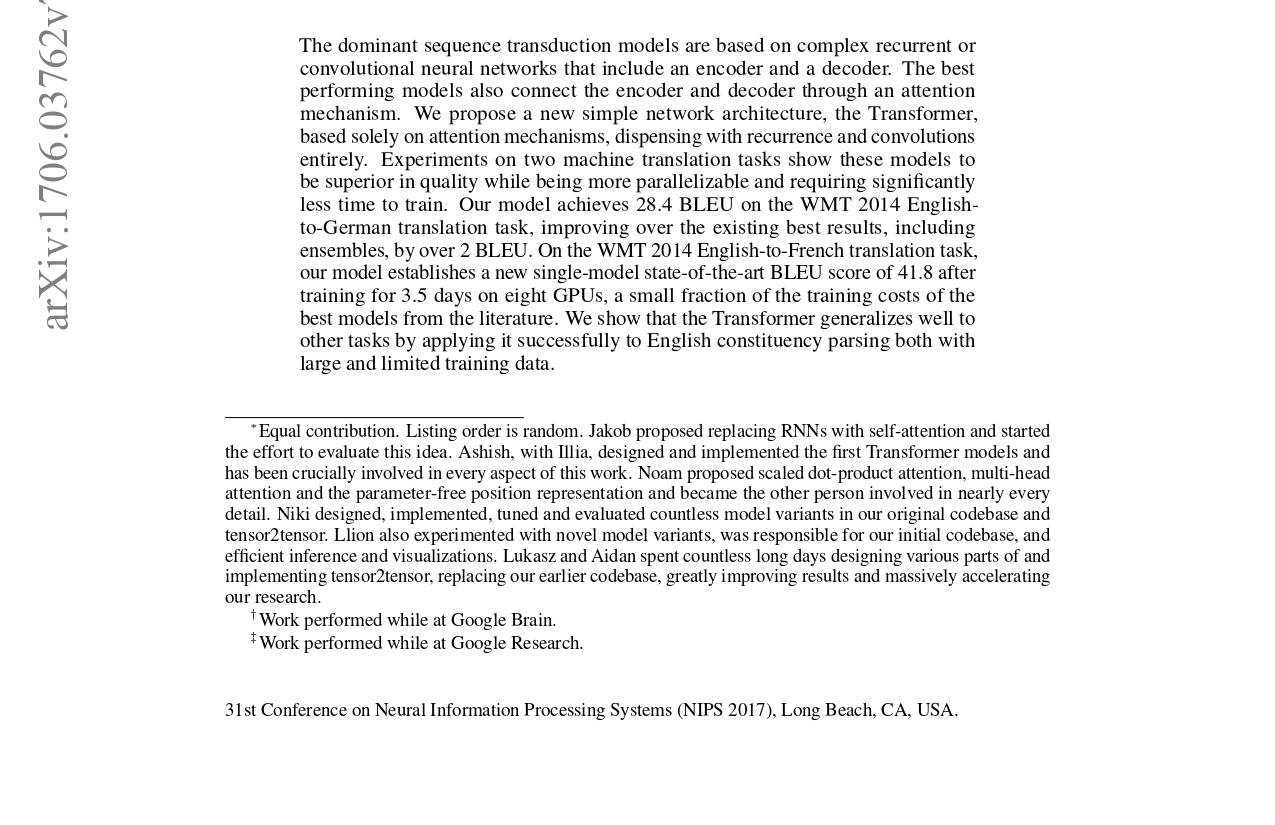
To isolate this effect, we re-paginate the same documents in two ways. Both variants have the same content and page count; the difference is whether the new boundary preserves or breaks a content block.
Structure preserving
The boundary falls between content blocks.
Structure breaking
The boundary falls within a paragraph.
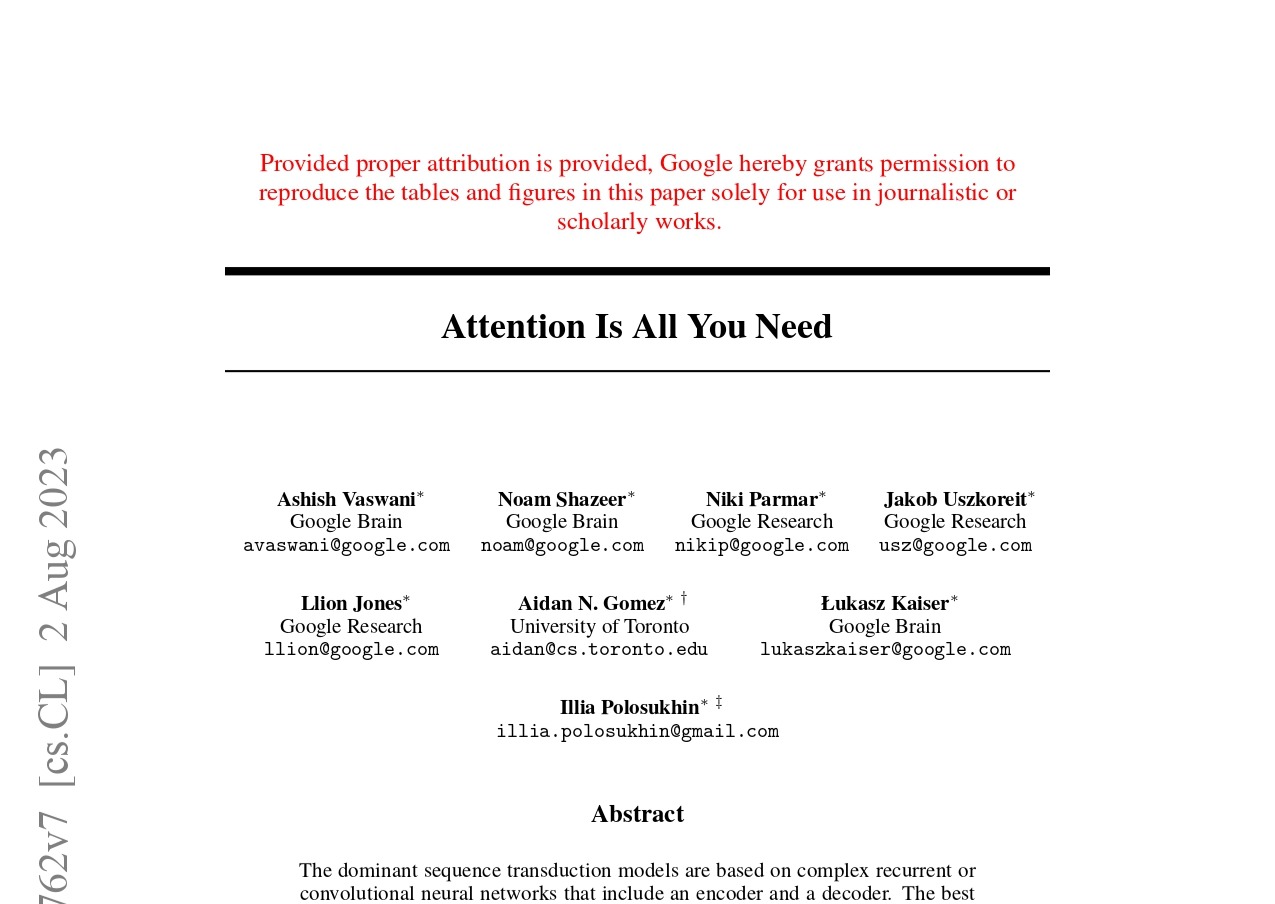
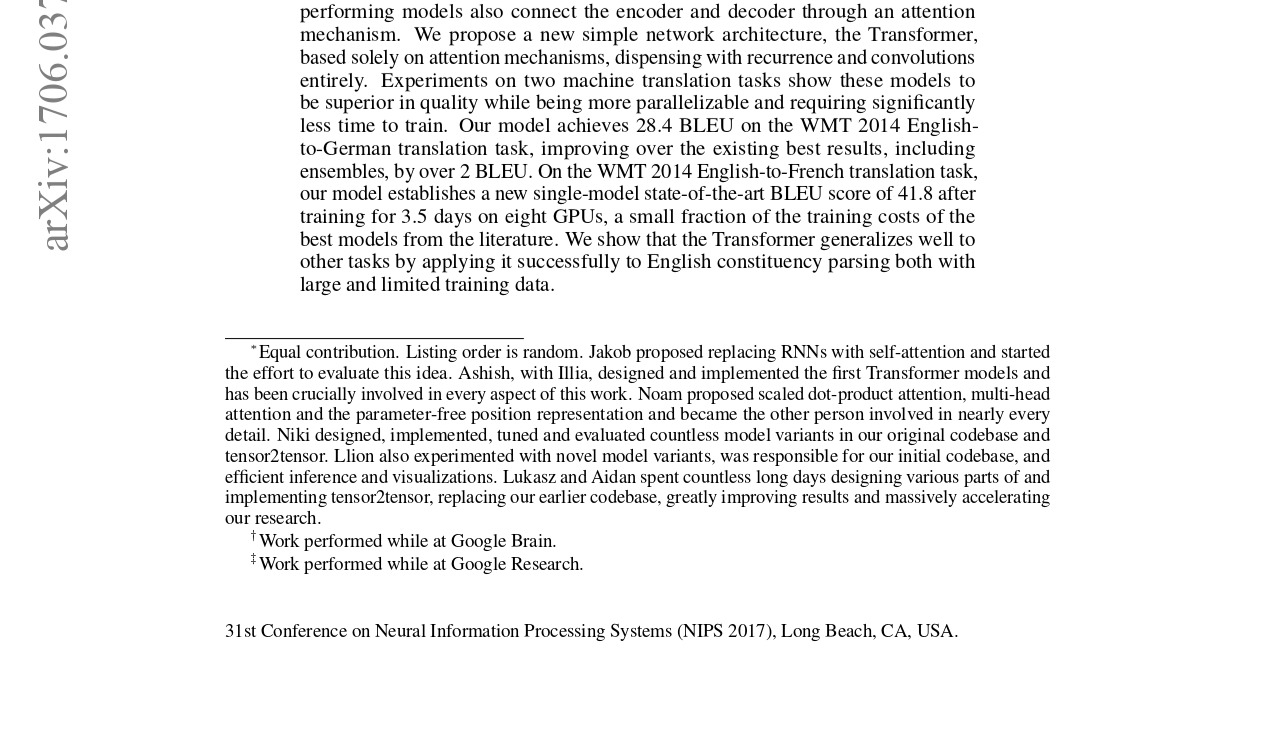
LongDocURL accuracy (%). Both variants contain the same pixels and have identical page counts. See the paper for the full protocol and matched SFT baseline.
Bring neighboring pages into view.
DocSEAM sits between the vision encoder and the language model. It enriches each page’s visual tokens with information from the pages immediately before and after it.
Local context
Each center page is considered alongside its previous and next neighbors.
Selective interaction
Anchored masking and learned directional gates guide how information flows.
Same token count
The language model receives one enriched representation per page, with no increase in visual tokens.
Attention follows the page boundary.
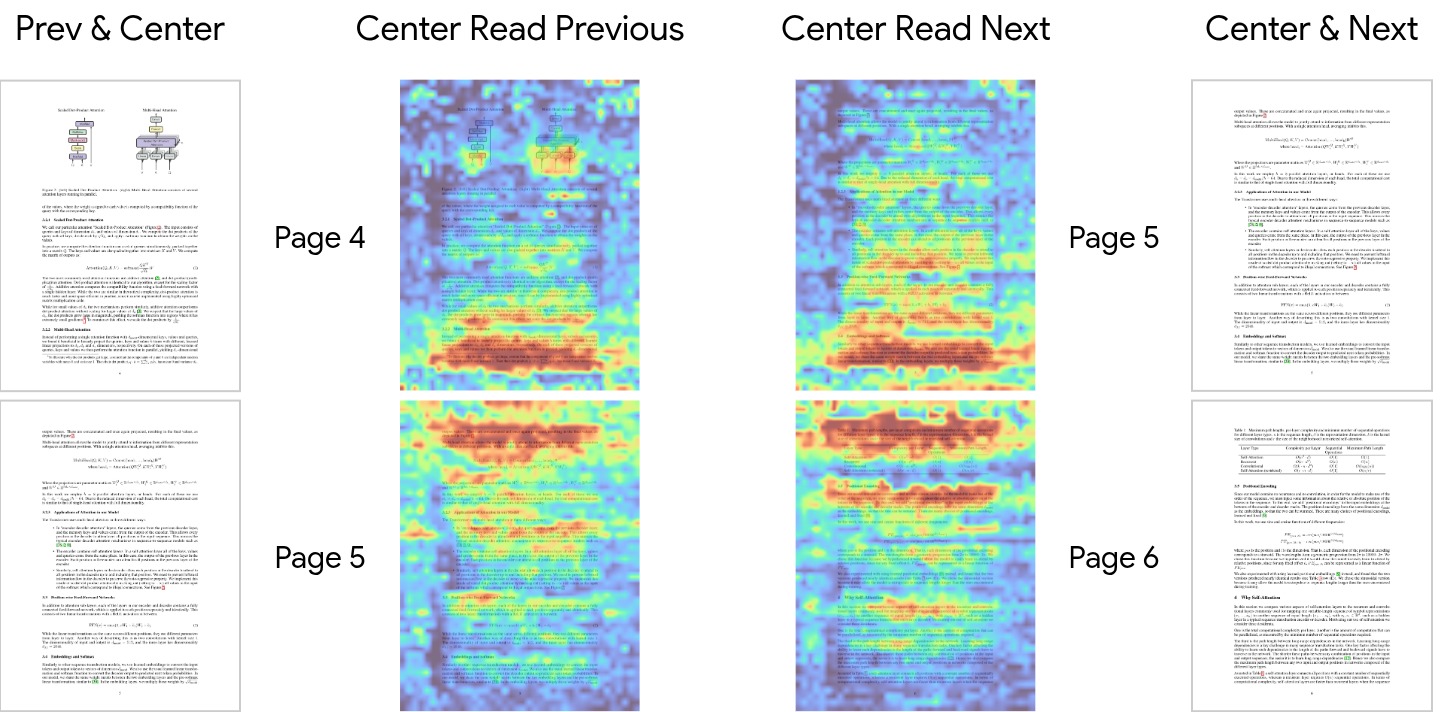
In this example from Attention Is All You Need, the center page reads information from both adjacent pages. The visualizations highlight where cross-page attention is concentrated.
Five benchmarks. One model.
DocSEAM with Qwen3.5-9B improves over both the zero-shot backbone and the matched SFT baseline on all five evaluated multi-page document VQA benchmarks.
| Model | DUDE | MP-DocVQA | SlideVQA | MMLongBench-Doc | LongDocURL |
|---|---|---|---|---|---|
| Qwen3.5-9B · zero-shot | 46.8 | 84.2 | 76.6 | 57.1 | 54.5 |
| Qwen3.5-9B · matched SFT | 54.1 | 87.5 | 85.1 | 44.5 | 42.8 |
| DocSEAM + Qwen3.5-9B | 63.0 | 89.2 | 87.1 | 58.3 | 62.9 |
DUDE and MP-DocVQA use ANLS; the other benchmarks use accuracy. Scores are shown as percentages. The matched SFT baseline uses the same backbone and training data mix described in the paper.
Explore the work.
Read the paper, explore the code, or find the model on Hugging Face.
BibTeX
@article{nguyen2026docseam,
  title   = {DocSEAM: Bidirectional Cross-Page Encoding for Multi-Page Document Understanding},
  author  = {Nguyen, Hoang-Nhat and Loy, Chen Change},
  journal = {arXiv preprint arXiv:2611.34420},
  year    = {2026}
}